
 Image 1 of 1
Low light EDC pistol December 13 range 4A Burro canyon shooting park
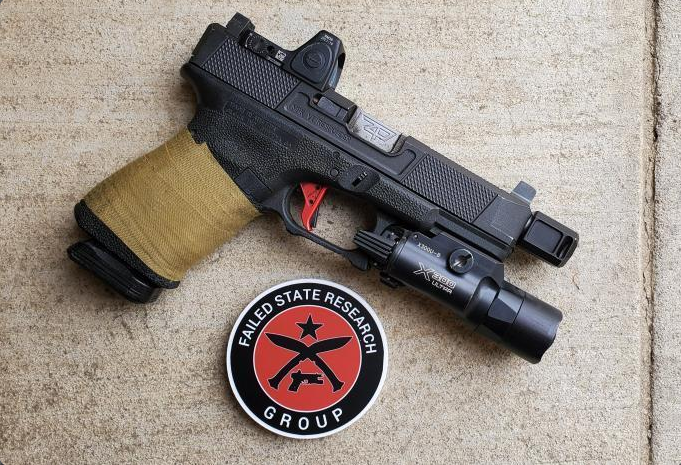
Low light EDC pistol
December 13 range 4B burro canyon shooting park
4pm-10pm
Key Topics and Skills Covered: all under white light
Weapon Retention: Techniques for maintaining control of your firearm during physical confrontations.
Close Quarters Shooting: Accuracy and speed in engaging targets at close ranges (3-7 yards).
One-Hand Shooting: Proficiency in shooting with both dominant and support hands.
Alternate Shooting Positions: Practicing shooting from various positions like barricades, seated, or prone.
Moving Targets: Lead targets and engage them while moving.
Judicious Use of Force: Understanding and practicing proportional responses in self-defense situations.
Concealed Carry: Presentation from concealment, reloads, and strategies for effective concealed carry.
Situational Awareness: Learning to identify potential threats and avoid conflict whenever possible.
Reloads and Malfunctions: Practicing quick and efficient reloads and addressing common firearm malfunctions.
Movement and Positioning: Employing movement tactics to maintain a tactical advantage while engaging threats.
Cover and Concealment: Utilizing available cover and concealment to minimize risk.
Psychology of Violent Encounters:Understanding the mindset and potential behavior of attackers.
Legal Considerations: Familiarity with the legal aspects of using deadly force and what to do in the aftermath of a self-defense situation.
Key Topics Covered
Light Selection:
Guidance on choosing between weapon-mounted lights and handheld flashlights, considering factors like lumens and battery type.
Weapon and Light Manipulation:
Techniques for integrating a light with your firearm, including activation and consistent hand positioning.
Low-Light Movement and Tactics:
How to safely and effectively navigate and search in a dark environment, using the light to identify threats and avoid friendly fire.
Target Identification:
Strategies for clearly identifying targets and separating threats from non-threats in the absence of light.
Shooting Fundamentals:
How to maintain accuracy and control recoil when shooting with a light, and the proper application of light to a target.
Situational Awareness and Mindset:
The importance of a strong tactical mindset and heightened situational awareness in low-light situations.
Skills Developed
Illumination Techniques:
Learning to control the light to disorient and temporarily blind threats, creating a tactical advantage.
Two-Handed vs. One-Handed Techniques:
Practicing both two-handed shooting with a weapon-mounted light and one-handed techniques with a handheld light, and understanding their respective pros and cons.
Transitions:
Skills for transitioning between using a firearm with a light and a handheld light, or switching between different light types.
Barricade and Movement Skills:
How to use cover and move effectively while maintaining control of your light and firearm in a dark environment.
Who Should Attend
Law enforcement and military personnel.
Concealed carry permit holders.
Homeowners interested in self-defense.
Anyone who needs to operate a firearm safely and effectively in low-light conditions.
class load out
pistol
3 magazines
IWB,OWB holster
magazine caddy
350-400 rounds
eye protection
ear protection
water, snacks, lunch
note pad, pen and pencil
Low light EDC pistol
December 13 range 4B burro canyon shooting park
4pm-10pm
Key Topics and Skills Covered: all under white light
Weapon Retention: Techniques for maintaining control of your firearm during physical confrontations.
Close Quarters Shooting: Accuracy and speed in engaging targets at close ranges (3-7 yards).
One-Hand Shooting: Proficiency in shooting with both dominant and support hands.
Alternate Shooting Positions: Practicing shooting from various positions like barricades, seated, or prone.
Moving Targets: Lead targets and engage them while moving.
Judicious Use of Force: Understanding and practicing proportional responses in self-defense situations.
Concealed Carry: Presentation from concealment, reloads, and strategies for effective concealed carry.
Situational Awareness: Learning to identify potential threats and avoid conflict whenever possible.
Reloads and Malfunctions: Practicing quick and efficient reloads and addressing common firearm malfunctions.
Movement and Positioning: Employing movement tactics to maintain a tactical advantage while engaging threats.
Cover and Concealment: Utilizing available cover and concealment to minimize risk.
Psychology of Violent Encounters:Understanding the mindset and potential behavior of attackers.
Legal Considerations: Familiarity with the legal aspects of using deadly force and what to do in the aftermath of a self-defense situation.
Key Topics Covered
Light Selection:
Guidance on choosing between weapon-mounted lights and handheld flashlights, considering factors like lumens and battery type.
Weapon and Light Manipulation:
Techniques for integrating a light with your firearm, including activation and consistent hand positioning.
Low-Light Movement and Tactics:
How to safely and effectively navigate and search in a dark environment, using the light to identify threats and avoid friendly fire.
Target Identification:
Strategies for clearly identifying targets and separating threats from non-threats in the absence of light.
Shooting Fundamentals:
How to maintain accuracy and control recoil when shooting with a light, and the proper application of light to a target.
Situational Awareness and Mindset:
The importance of a strong tactical mindset and heightened situational awareness in low-light situations.
Skills Developed
Illumination Techniques:
Learning to control the light to disorient and temporarily blind threats, creating a tactical advantage.
Two-Handed vs. One-Handed Techniques:
Practicing both two-handed shooting with a weapon-mounted light and one-handed techniques with a handheld light, and understanding their respective pros and cons.
Transitions:
Skills for transitioning between using a firearm with a light and a handheld light, or switching between different light types.
Barricade and Movement Skills:
How to use cover and move effectively while maintaining control of your light and firearm in a dark environment.
Who Should Attend
Law enforcement and military personnel.
Concealed carry permit holders.
Homeowners interested in self-defense.
Anyone who needs to operate a firearm safely and effectively in low-light conditions.
class load out
pistol
3 magazines
IWB,OWB holster
magazine caddy
350-400 rounds
eye protection
ear protection
water, snacks, lunch
note pad, pen and pencil